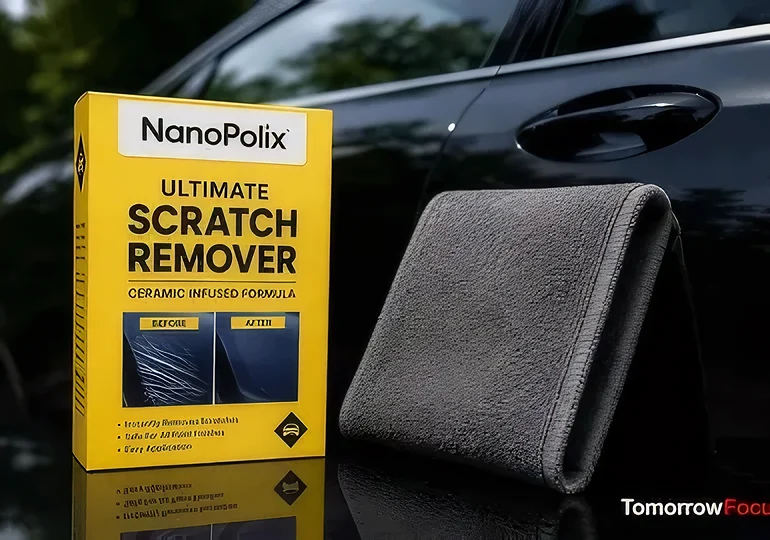
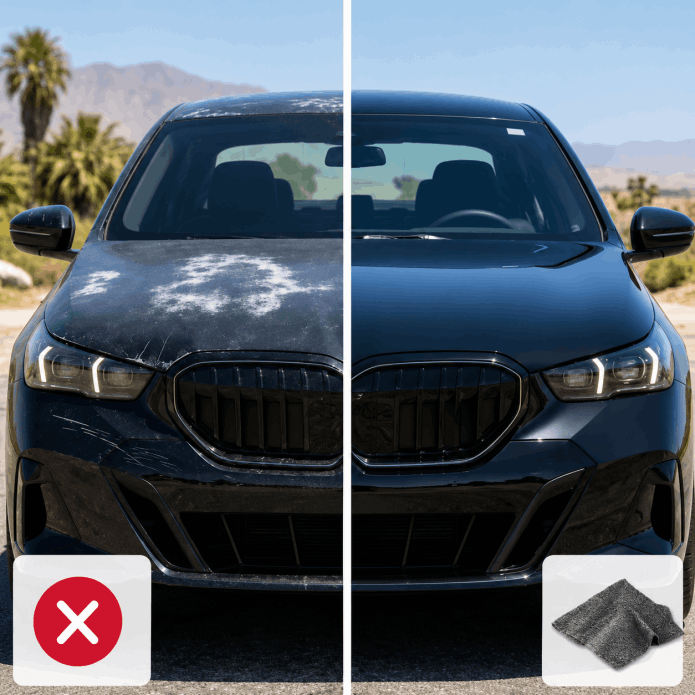
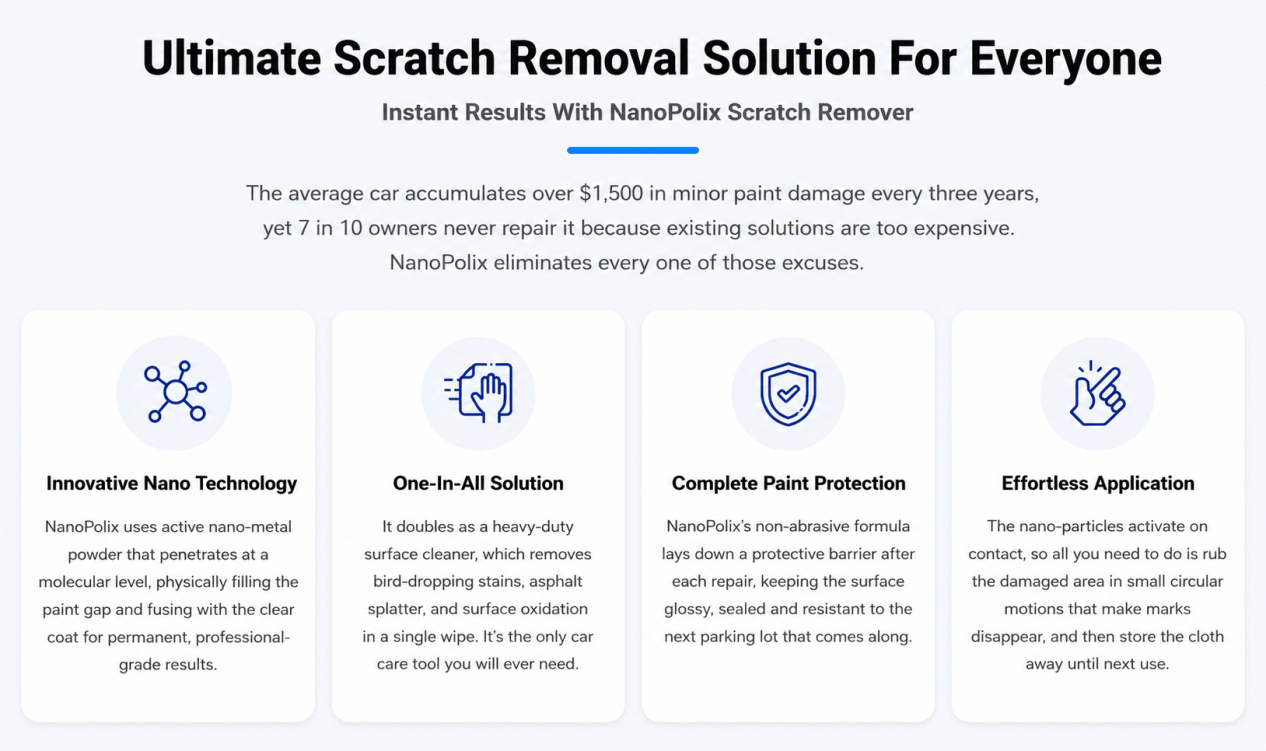
NanoPolix's main benefits are erasing the look of everyday surface scratches without body-shop bills, working on any paint color (it treats the clear coat), a non-abrasive formula that's safe for your paint, dead-simple no-skill use, a reusable design that lowers cost-per-fix, fast results in minutes, and a low-risk money-back guarantee. It's a surface-mark tool — not a deep-repair fix — and results vary.
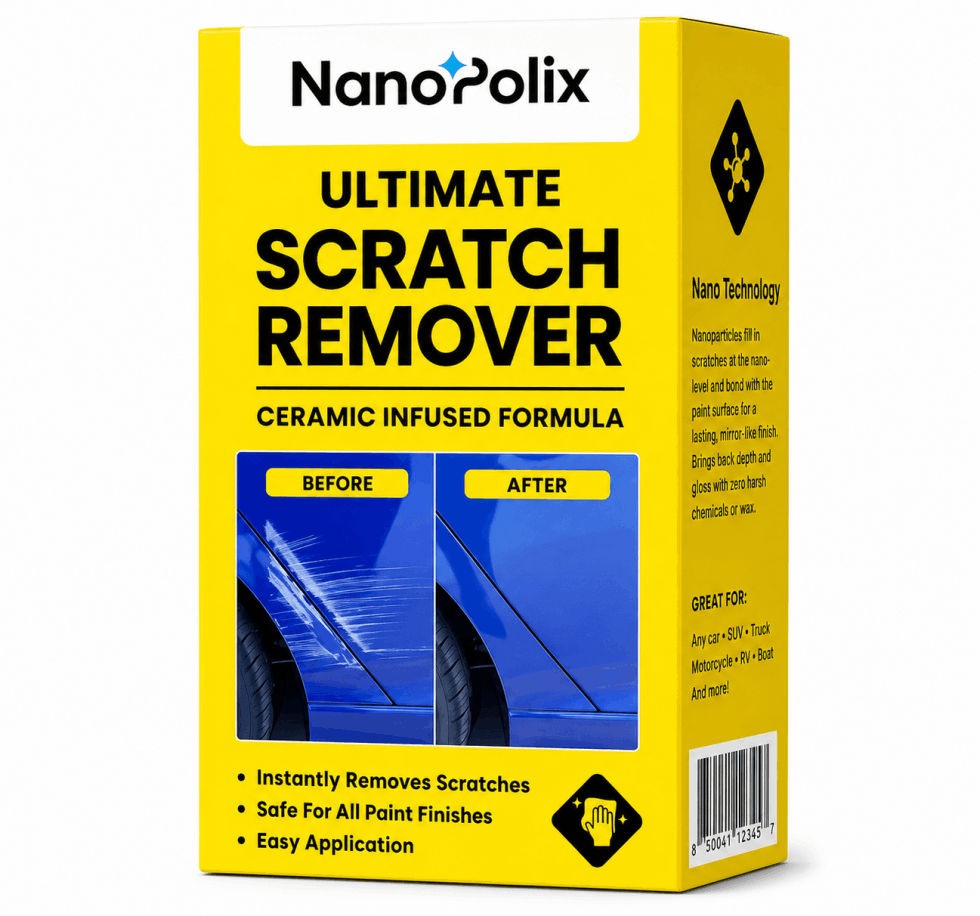
Here's the truth about most car scratches: they're not deep. They're the shallow, everyday stuff — a shopping-cart scuff, a key mark, a dull patch from the sun. Cosmetic, annoying, and making your car look older than it is. You don't need a spray booth and a $280 invoice to fix that. You need something quick, simple, and safe for your paint.
That's the lens for this page. Instead of a generic "amazing benefits" list, here's the honest version: each real NanoPolix benefit, and the reason it matters in real life — plus where it has limits.
The short story: nearly every NanoPolix benefit traces back to one idea — make fixing everyday surface marks so quick, simple, and low-risk that you'll actually do it, instead of living with a scuffed-up car or overpaying a body shop. Below, I break down each benefit so you can see exactly what you're getting.
⚠️ Honest reminder: these are surface-scratch benefits, not deep-repair benefits. NanoPolix works on clear-coat marks — it won't fix deep scratches, gouges, or bare-metal damage, and results depend on your specific scratch and paint. See the home page for the fingernail test that tells you if your damage is in scope.
The headline benefit: real money saved on minor cosmetic damage. A body shop can charge a few hundred dollars just to buff out surface scuffs and key marks — the exact damage a nano cloth is built for. NanoPolix handles those everyday marks yourself for a fraction of the cost. The benefit is keeping your car looking sharp without the shop invoice.
💵 The Feature: a DIY cloth for surface clear-coat marks.
✅ The Benefit: fix everyday scuffs and key marks yourself, skipping body-shop prices for minor damage.
⚠️ The Limit: for deep scratches or bare-metal damage, a shop is still the right (and only) call.
Yes — and here's why that's a real benefit. NanoPolix works on the clear coat, the transparent protective layer that sits on top of every paint color. Because it's treating that clear layer rather than adding pigment, it's color-neutral: black, red, silver, white, or anything else. The benefit is one cloth for the whole family's cars, with no color-matching headaches like touch-up pens.
🎨 The Feature: it treats the clear coat, not the color layer.
✅ The Benefit: color-neutral — one cloth works on any paint color, no matching needed.
⚠️ The Note: still test a small hidden spot first, especially on sensitive or matte finishes.
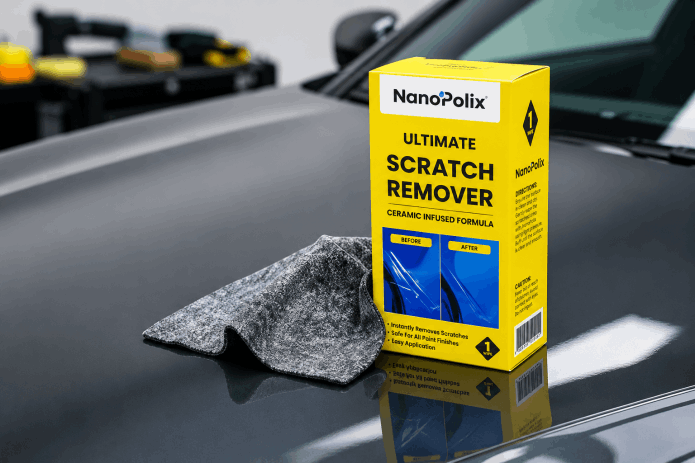
A big benefit that's easy to overlook: it's designed to be non-abrasive. Harsh rubbing compounds work by grinding away a thin layer of your paint, which can cause swirl marks or thin the clear coat over time. NanoPolix is made to smooth and fill instead of grind. The benefit is fixing marks without the risk of making your paint worse.
🛡️ The Feature: a non-abrasive smooth-and-fill formula.
✅ The Benefit: reduces marks without thinning paint or adding swirl marks like harsh compounds.
⚠️ The Care Note: clean the surface first (grit can scratch), use gentle circles, and avoid heavy pressure.
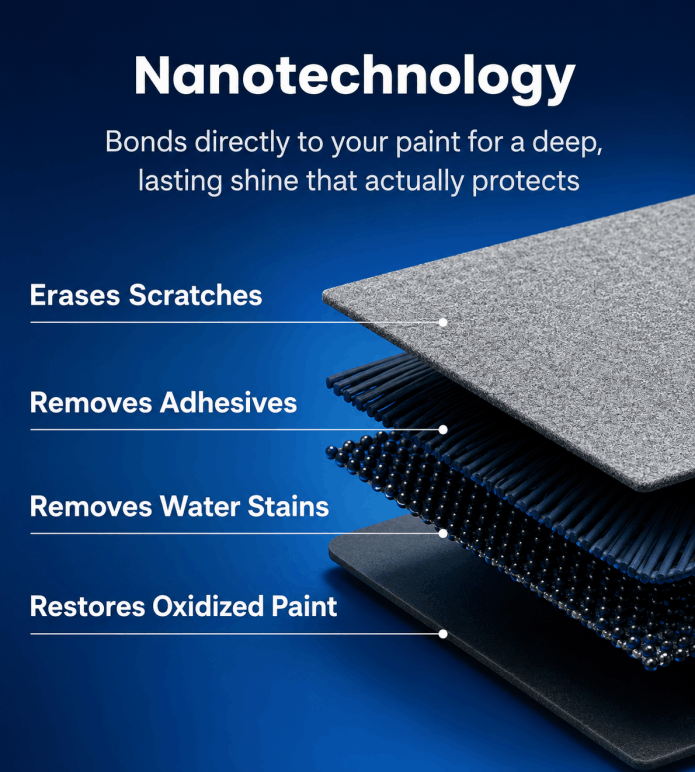
None at all — and that's the point. There are no pads, sprays, machines, or techniques to learn. If you can wipe down a window, you can use NanoPolix: clean the spot, rub in small circles, buff. The benefit is a fix anyone can do confidently on the first try, with none of the "did I just make it worse?" fear of DIY kits.
🧽 The Feature: a foolproof clean-rub-buff process.
✅ The Benefit: anyone can use it right the first time — no skill, tools, or training.
⚠️ The Reminder: simple still means careful — test a hidden spot and don't over-press.
Unlike a one-and-done liquid kit, NanoPolix is reusable — you reseal the cloth in its pouch to keep the formula fresh for the next mark. Over multiple uses, that drops your real cost-per-fix dramatically. The benefit is long-term value: one cloth handling the steady stream of everyday scuffs a daily-driven car picks up, instead of buying a new product each time.
🔁 The Feature: a reusable cloth you reseal between uses.
✅ The Benefit: cost-per-fix keeps dropping the more everyday marks you handle with it.
⚠️ The Catch: reseal it properly and store it clean, or the formula won't stay fresh for reuse.
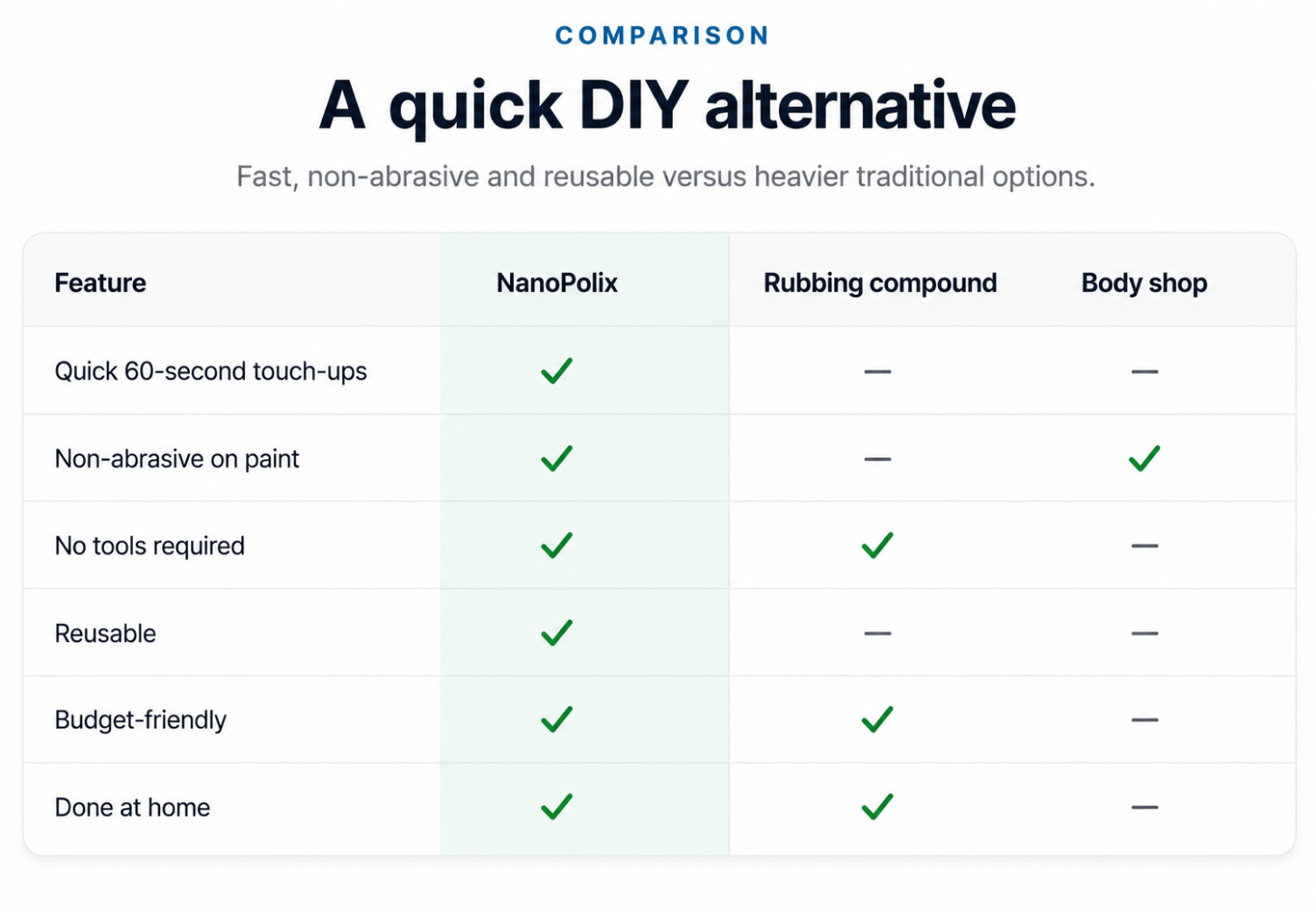
Speed is a real, everyday benefit. A body-shop visit means scheduling, drop-off, and days without your car; a machine polish is a whole afternoon. NanoPolix handles a surface mark in minutes, right in your driveway. The benefit is instant gratification — you see the scuff fade as you work, and you're done before you'd have even finished booking an appointment.
⚡ The Feature: a quick clean-rub-buff that works on contact.
✅ The Benefit: everyday marks handled in minutes, in your own driveway — no downtime.
⚠️ The Honest Part: "minutes" applies to surface marks; deep damage isn't a fast job for any tool (it needs a pro).
Because whether it works depends on your specific scratch, the smartest move is to test it on your own car — with a safety net. NanoPolix comes with a 30-day money-back guarantee (and a limited warranty), so you can try it on your real marks and see the results before committing. For an affordable tool, that keeps trying it genuinely low-stakes.
🛡️ The Feature: a 30-day money-back guarantee (+ limited warranty).
✅ The Benefit: test it on your real scratches, low-risk, and return it if it's not for you.
⚠️ The Catch: buy from the official store (not marketplace knockoffs), note your delivery date, and keep the packaging to keep the guarantee valid.

Because it's a fast, simple surface-mark tool, some everyday situations are exactly its sweet spot:
🛒 Parking-Lot Scuffs — that fresh cart or door-ding scuff from the grocery run.
🔑 Key Marks — light key scratches along a panel or around the door handle.
🚗 Lease Return Prep — blending away surface scuffs before an inspection to avoid fees (surface marks only).
👶 Family-Car Wear — the steady stream of little marks kids and daily life leave behind.
☀️ Dull, Oxidized Spots — bringing back shine on lightly faded, chalky patches.
🏷️ Used-Car Touch-Ups — freshening up minor cosmetic marks before selling or after buying.
🚩 Where it's NOT the answer: deep scratches that catch a fingernail, dents, gouges, or anything exposing primer or bare metal — those need touch-up paint or a body shop. Match NanoPolix to shallow, cosmetic marks and it shines; ask it to fix structural damage and it can't.
If you decide to try it, here's how to get the best results:
🖐️ Do the Fingernail Test First — make sure the mark is surface-level before you start (deep = wrong tool).
🧼 Start Clean — wash and dry the area so no grit is dragged across your paint.
🔄 Gentle Circles, Light Pressure — let the formula do the work; don't grind.
🧪 Test a Hidden Spot — especially on sensitive, matte, or wrapped finishes.
✨ Buff With a Clean Microfiber — finish by buffing away residue for the best shine.
📦 Reseal After Every Use — keep the cloth in its pouch so the formula stays fresh.
🛒 Buy Genuine — the official NanoPolix cloth carries the real treatment and the guarantee.
Fingernail test + clean surface + gentle circles = the best version of what this cloth can do.
❓ What's the single biggest benefit of NanoPolix?
Fixing everyday surface scratches yourself, fast, without a body-shop bill. For the shallow, cosmetic marks that make up most car damage, it turns a costly, days-long errand into a few minutes in your driveway.
❓ Will it work on my car's color?
Yes — it's color-neutral because it treats the clear coat that sits over every paint color. Black, red, silver, white: same cloth, no color-matching. Just test a hidden spot first.
❓ Is it actually safe, or will it damage my paint?
It's designed to be non-abrasive, so used correctly it smooths and fills rather than grinding your paint thin. Clean the surface first, use gentle circles, and avoid heavy pressure — that's how you keep it safe.
❓ How many times can I reuse one cloth?
It's reusable across many surface fixes as long as you reseal it in its pouch to keep the formula fresh. That reuse is what makes the real cost-per-fix so low for a daily-driven car.
❓ How much is NanoPolix and where do I buy it?
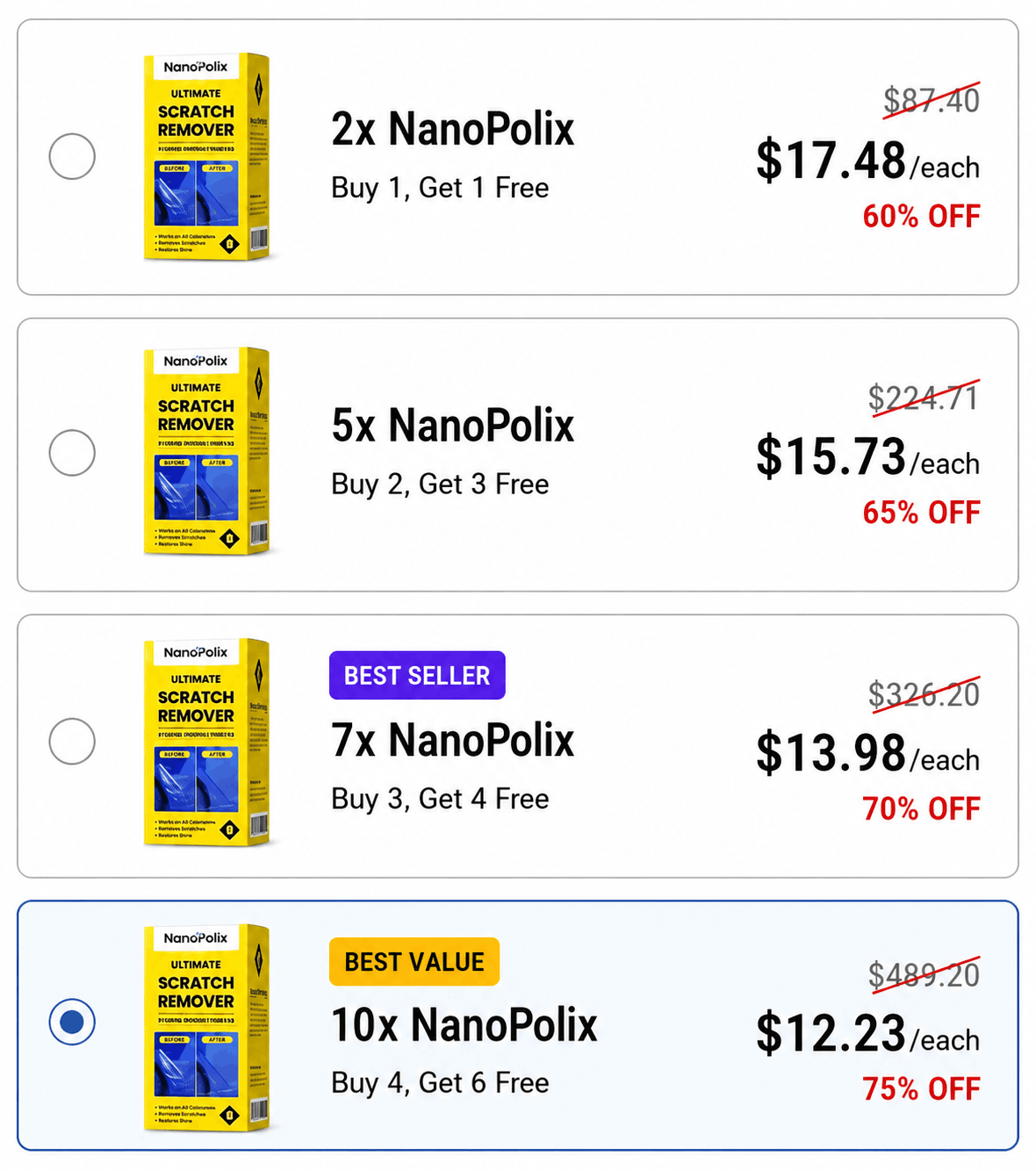
Pricing starts around $34.96 for a 2-cloth pack (multi-packs lower the per-cloth cost). Buy from the official NanoPolix website (us-nanopoliix.com) to get the genuine cloth, the money-back guarantee, and USA shipping — and to avoid weak knockoffs. Confirm the current price and any promo at checkout.
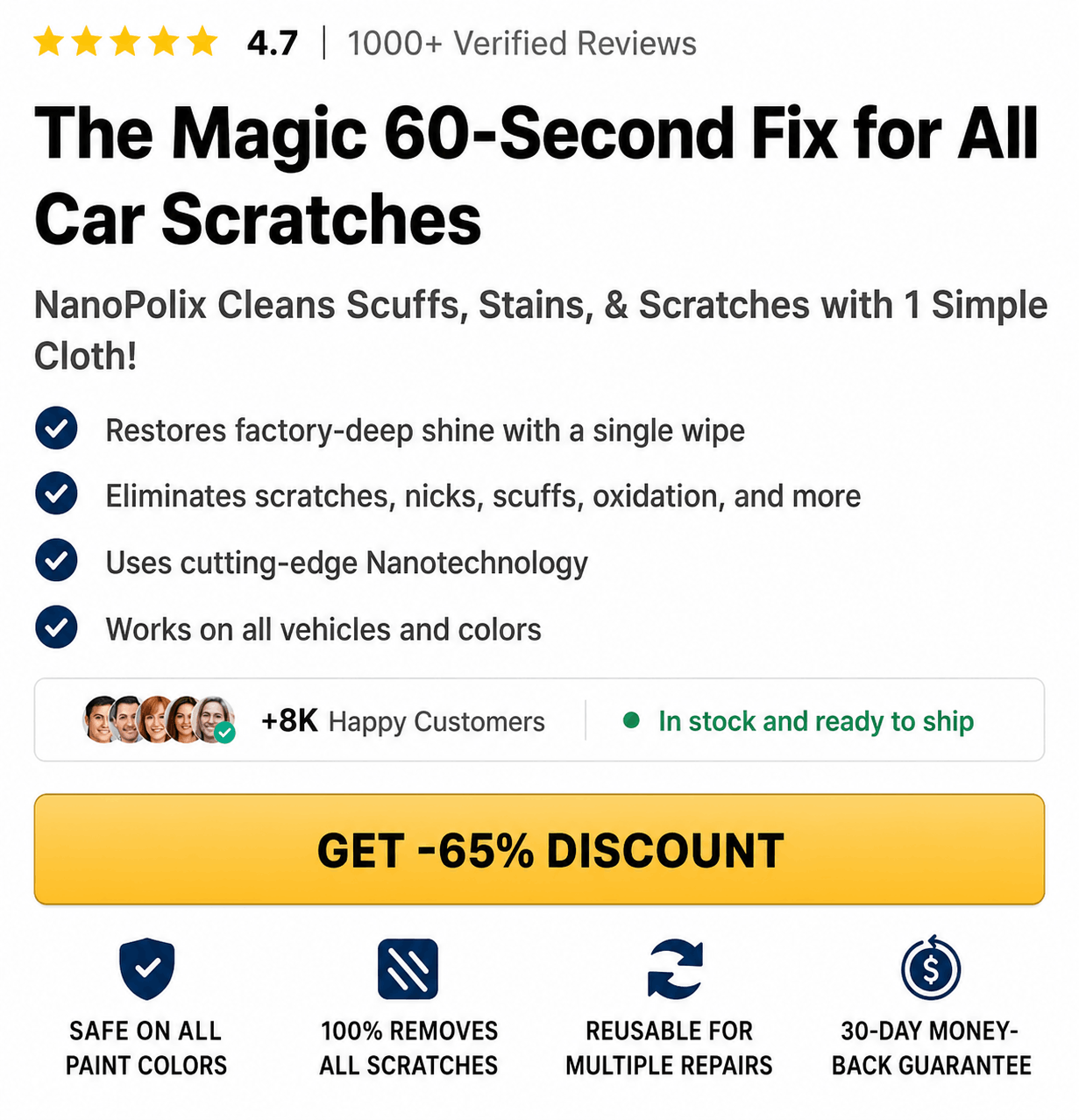
The biggest benefit is a combination that's rare in car care: fast + simple + safe + affordable, all in one tool. Rubbing compounds are cheap but messy and can thin your paint. Touch-up pens leave a raised blob. A body shop is safe but slow and expensive. NanoPolix is the only option that hits all four for surface-level everyday marks — clean, rub, buff, and you're done in minutes without risking your paint.
Realistic math: a typical daily-driven car picks up 3–6 surface scuffs, key marks, or dull spots a year (parking lots, weather, wear). A body shop charges around $150–$400 per minor cosmetic fix. Over a year, that's $450–$2,400 spent on damage that lives in the clear coat. A single reusable NanoPolix cloth (or a multi-pack) handles the same marks yourself for a fraction of one visit — that's where the savings compound over time.
NanoPolix is built for standard automotive clear coat, which covers almost all modern factory-painted cars. Where you should test carefully first: matte or satin finishes (they don't have a shiny clear coat to level), vinyl wraps (a wrap isn't paint, and the cloth may affect the finish), and any custom flat-paint jobs. On those, test a hidden edge and see how it behaves before committing to a visible area.
Yes — those are two different things. "Gentle" usually means a mild abrasive that still slowly grinds paint away, just less aggressively. "Non-abrasive" means the formula is designed to smooth and fill instead of grind, so it shouldn't thin your clear coat over repeated use. That matters for long-term paint health, especially if you use the cloth on the same panel multiple times over the years.
For marks NanoPolix genuinely levels within the clear coat, the fix should hold up over time and through normal washes. It's not a temporary polish that beads off — it's actually smoothing the scratch's edges and filling the microscopic gap. If a mark reappears, that scratch was borderline-too-deep and only got a visual improvement, not a full level — a helpful signal that scratch was on the edge of what any cloth can handle.
👉 See the full NanoPolix Review for hands-on testing details, or check the home page for the fingernail test and full pricing.
support@us-nanopoliix.com
+1 (662) 667-6532